

Business
Sam Altman on AI bubble: ‘People make some dumb capital allocations’ from time to time


OpenAI could now be the world’s most valuable startup, ahead of Elon Musk’s SpaceX and TikTok’s parent company ByteDance, after a secondary stock sale designed to retain employees at the ChatGPT maker.
Current and former OpenAI employees sold $6.6 billion in shares to a group of investors, pushing the privately held artificial intelligence company’s valuation to $500 billion, according to a source with knowledge of the deal who was not authorized to discuss it publicly.
The investors buying the shares included Thrive Capital, Dragoneer Investment Group and T. Rowe Price, along with Japanese tech giant SoftBank and the United Arab Emirates’ MGX, the source said Thursday.
The valuation reflects high expectations for the future of AI technology and continues OpenAI’s remarkable trajectory from its start as a nonprofit research lab in 2015.
But with the San Francisco-based company not yet turning a profit, it could also amplify concerns about an AI bubble if the generative AI products made by OpenAI and its competitors don’t meet the expectations of investors pouring billions of dollars into research and development.

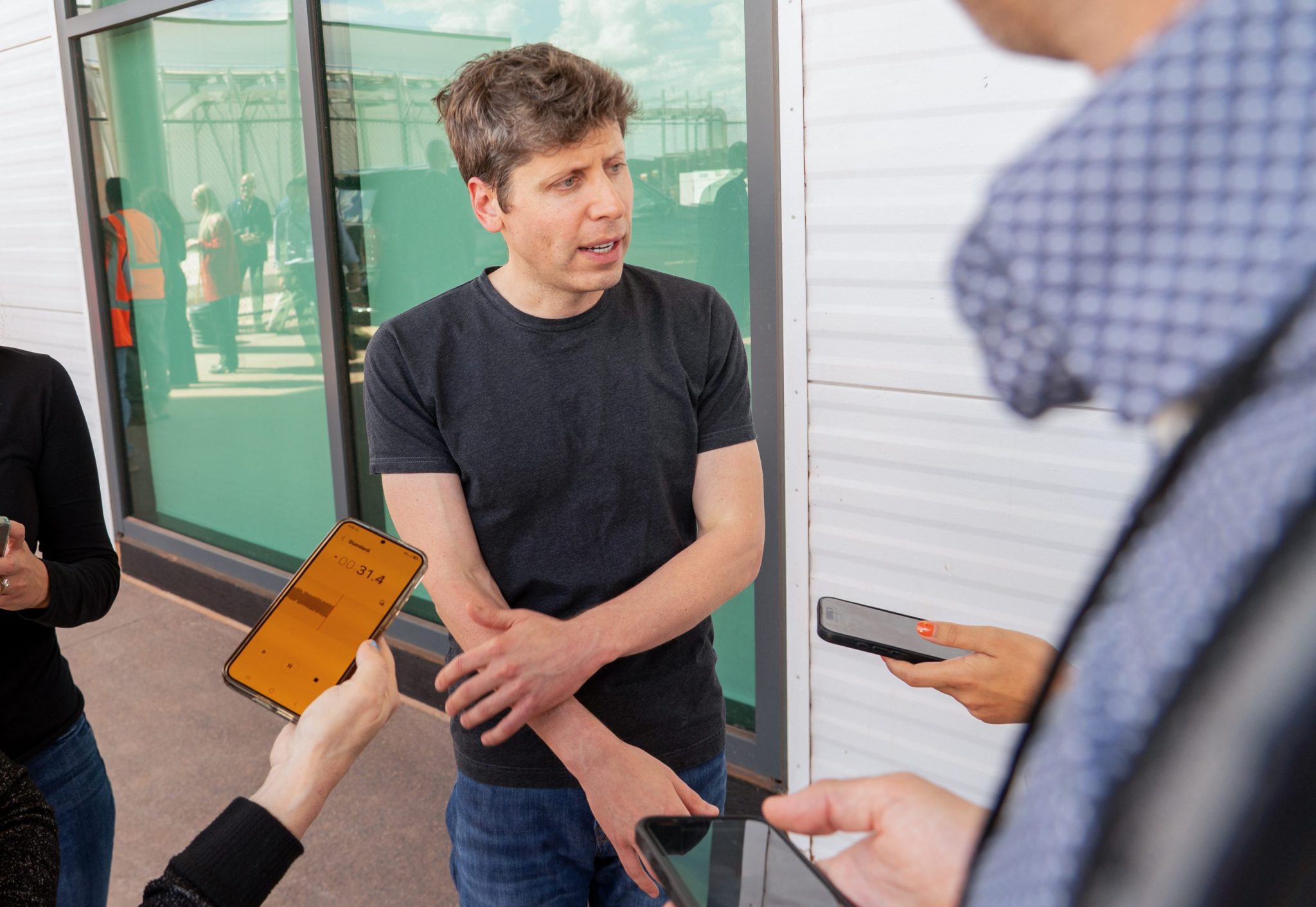
OpenAI CEO Sam Altman has sought to dismiss those concerns, most recently last week, when he toured a massive data center complex being built to run the company’s AI systems in Abilene, Texas.
“Between the ten years we’ve already been operating and the many decades ahead of us, there will be booms and busts,” Altman said after being asked about a bubble. “People will overinvest and lose money, and underinvest and lose a lot of revenue.”
He added that “we’ll make some dumb capital allocations” and there will be short-term ups and downs but that “over the arc that we have to plan over, we are confident that this technology will drive a new wave of unprecedented economic growth,” along with scientific breakthroughs, improvements to quality of life and “new ways to express creativity.”
Just this week, the company launched two different business ventures, one a partnership with Etsy and Shopify for online shopping through ChatGPT and another a social media app, Sora, for generating and sharing AI videos.
OpenAI has been struggling to offer investors and staff the same perks and compensation as the publicly traded tech giants with which it competes. Facebook parent Meta Platforms, in particular, has been on a hiring spree for elite AI engineers and in June made a $14.3 billion investment in AI company Scale that recruited its CEO Alexandr Wang.
OpenAI’s for-profit subsidiary, valued at $500 billion, is technically controlled by the board of OpenAI’s nonprofit and both are still bound to pursue the nonprofit’s charitable purpose.
OpenAI’s partnerships with major companies and its plans to change its corporate structure have drawn the scrutiny of regulators, including the attorneys general of California and Delaware, who oversee charitable organizations that operate or are incorporated in their states.
The company has made big deals in recent weeks with Oracle and SoftBank, its partners on a data center venture called Stargate, and with chipmaker Nvidia, which makes the specialized AI chips those data centers need. At the same time, it has lessened its reliance on longtime backer Microsoft.
In September, OpenAI announced it had reached a tentative agreement with Microsoft about the future stake of its nonprofit in its for-profit corporation but released few details.
It also opened applications for nonprofits to apply for $50 million in funding from OpenAI, an effort it launched in response to the recommendations of an advisory board. The grants will go toward projects that increase public understanding of AI, support the design of AI for uses that communities want and increase economic opportunity. The deadline to apply closes on Oct. 8.
——
AP Philanthropy Writer Thalia Beaty contributed to this report.
———-
The Associated Press and OpenAI have a licensing and technology agreement that allows OpenAI access to part of AP’s text archives.




Germany’s Munich airport has reopened after several drone sightings forced it to close and cancel more than a dozen flights on Thursday night.
At least 17 flights were grounded in Munich, affecting nearly 3,000 passengers, while the airport said it diverted a further 15 flights to nearby cities.
On Friday, a spokesperson for German flag carrier Lufthansa said “flight operations have since resumed according to schedule”.
There was no immediate confirmation of where the drones had come from. Several airports across Europe have closed down in recent weeks because of unidentified drones.
Munich airport alerted authorities after the drones were detected.
Departing flights were “suspended”, the airport said, and it closed two hours ahead of its usual midnight to 05:00 curfew.
Air traffic control redirected flights that were due to land in Munich to Stuttgart, Nuremberg, Vienna, and Frankfurt.
“Nineteen Lufthansa flights were affected, either cancelled or re-routed, because of the the airport suspension,” the spokesperson said.
Because it was dark, no information on the type, size or origins of the drones was confirmed, Federal Police spokesperson Stefan Bayer told the Bild Newspaper. The drones were first seen at 21:30 local time (19:30 GMT), and then again an hour later, police said.
The BBC has contacted Germany’s federal police.
Meanwhile authorities in Belgium are investigating sightings of 15 drones, which were seen above the Elsenborn military site near the German border, Belgian media reports.
After the sighting, the drones reportedly flew from Belgium to Germany, where they were also observed by the police in the small German town of Düren.
It is not yet clear where the drones originated or who operated them.
Recent drone sightings across the European Union prompted a leaders’ summit in Copenhagen this week.
20 Russian drones crossed into Poland and Russian MiG-31 jets entered Estonian airspace in separate recent incidents.
Copenhagen and Oslo airports were forced to close after unidentified drones were spotted near airport and military airspaces.
Russia has denied any involvement, while Danish authorities say there was no evidence Moscow was involved.
Speaking to a summit in the Black Sea resort city of Sochi on Thursday, Russian President Vladimir Putin laughed off suggestions he ordered drones to Denmark.
“I won’t do it again. I won’t do it again – not to France or Denmark or Copenhagen”, Putin said.
Thousands of passengers were stranded at Munich overnight.
“Camp beds were set up, and blankets, drinks, and snacks were provided,” the airport said.
The city is currently hosting the annual Oktoberfest festival, which is due to end on 5 October. It attracts more than six million people a year, according to the official website.
The annual beer festival had already closed for half a day on Wednesday after a bomb scare.

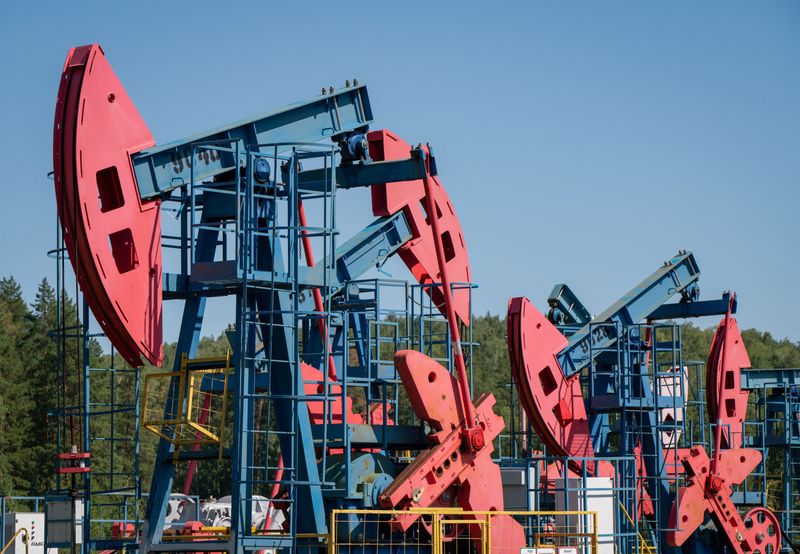
Oil on track for steepest weekly drop in 3-1/2 months
Source link


A required part of this site couldnât load. This may be due to a browser
extension, network issues, or browser settings. Please check your
connection, disable any ad blockers, or try using a different browser.

Sandals and Beaches Lead a Tourism Comeback for Jamaica, as Minister Bartlett Has A Christmas Wish For Visitors

How to Create a More Organized and Comfortable Living Space

Cinnamon Hotels & Resorts prioritises guest safety, colleague support, and community recovery as affected properties resume full operations

How Saudi Billions Are Quietly Reshaping the Caribbean?

Prague Convention Bureau unveils new campaign video celebrating the city’s creative MICE identity

Embraer develops new AI-powered Smart Planning solution

OACM and WTFI Forge Strategic Partnership to Make Ocean Protection a Core Pillar of Global Tourism

ECTAA welcomes balanced compromise on revised Package Travel Directive

Go World Travel Magazine Unveils 12 Bucket List Adventures to Gift This Year

Roasted Radicchio with Manchego

Black History Facts I had to Learn on My Own pt.6 📜

If Africa never existed ???😲😭

Black history is f**ked up! 🫢 #ChappellesShow #DaveChappelle #Comedy #BHM #BlackHistoryMonth

A Closer Look: Afro-Mexicans 🇲🇽

Navigating My First Weeks at the Met Office and Championing Climate Science

No African pre-Columbus DNA? 🤯🤯 #history #mesoamerica #mexico #african

😱Ancient African Technologies that would Surprise most people! Part 2 #africanhistory

Major African Tribes taken away during the Atlantic Slave Trade🌍 #slavetrade #africanamericanhistory

South African History Summary 🇿🇦 From First Settlements to the Anglo Boer War

Cameroon 🇨🇲 World Cup History (1962-2022) #football #realmadrid #shorts

Evidence of African Nobility all over Medieval Europe.

african presence in mexico part 1

Did Africans Discover America Before Christopher Columbus?

The Black Presence in Renaissance Europe in 4K- Historical Paintings of Africans Brought To Life

Africans Visited the Americas Long Before Columbus | African History

Dr. Ivan Van Sertima – African Presence in Early Asia

African Presence in Early Europe – Dr Ivan Sertima – PART 1

History of Cameroon

Black History (It’s Yours) | Black History Month Rap Anthem | Animated Music Video

History of Africa from the 16th to the 20th Century
-
 African History2 years ago
Black History Facts I had to Learn on My Own pt.6 📜
-
 African History1 year ago
If Africa never existed ???😲😭
-
 African History1 year ago
Black history is f**ked up! 🫢 #ChappellesShow #DaveChappelle #Comedy #BHM #BlackHistoryMonth
-
 African History6 years ago
A Closer Look: Afro-Mexicans 🇲🇽
-
 Weather1 year ago
Navigating My First Weeks at the Met Office and Championing Climate Science
-
 African History3 years ago
No African pre-Columbus DNA? 🤯🤯 #history #mesoamerica #mexico #african
-
 African History2 years ago
😱Ancient African Technologies that would Surprise most people! Part 2 #africanhistory
-
 African History3 years ago
Major African Tribes taken away during the Atlantic Slave Trade🌍 #slavetrade #africanamericanhistory